
What Are AI Employees?
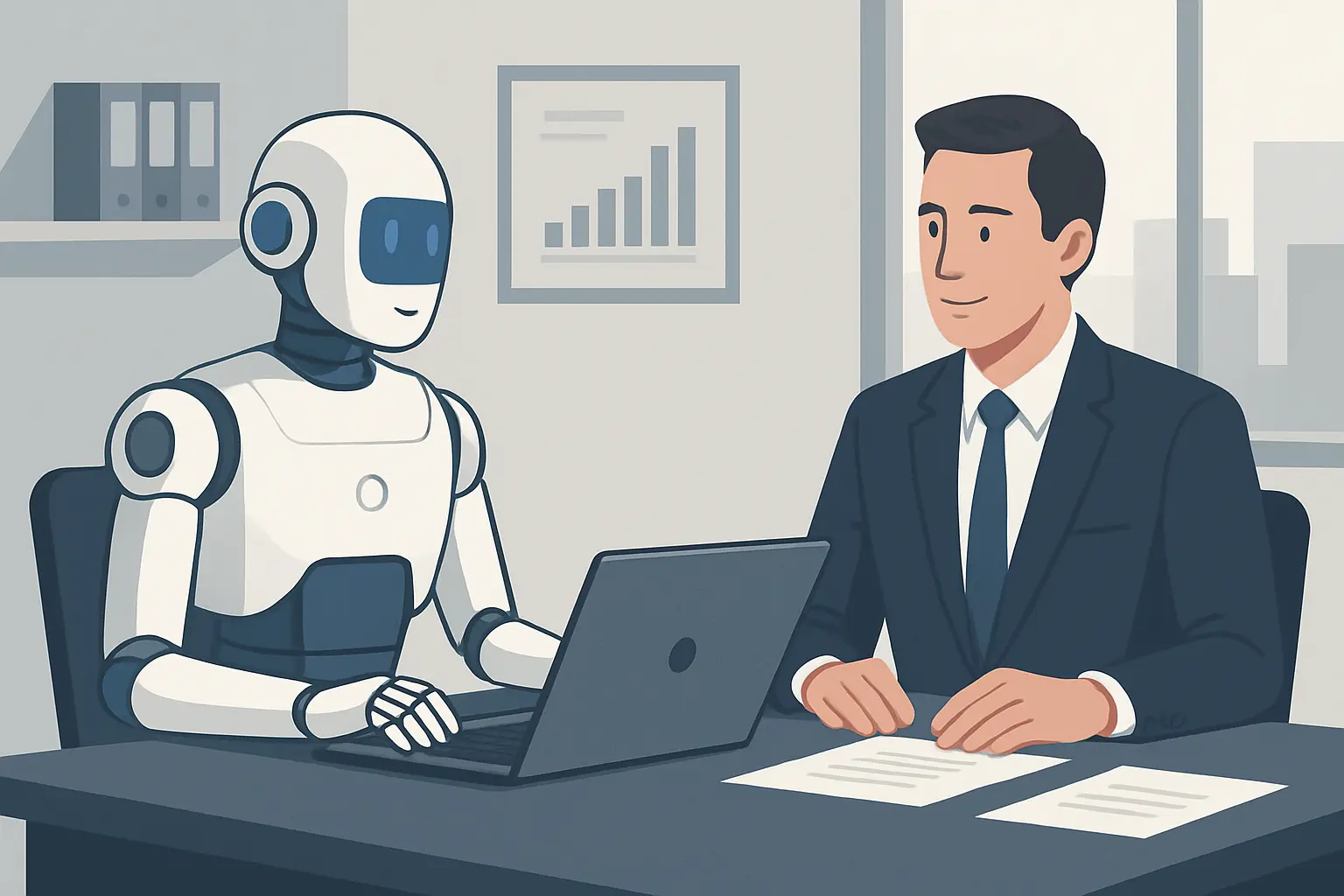
AI employees are automated agents designed to perform specific tasks in staffing workflows, enhancing efficiency and freeing human agents for high-value interactions.
AI employees function as virtual assistants within staffing agencies, handling tasks that traditionally require human intervention. These agents can manage candidate outreach, schedule interviews, and update databases, all while maintaining a high level of accuracy. In a recent campaign for a staffing client, our voice AI agent executed 1,465 calls over 26 days, achieving a cost of $1.72 per booked meeting, far below the industry average of $400-600. This illustrates the potential for significant cost reduction when deploying AI employees.
AI employees don't replace human jobs; they improve them. By automating repetitive tasks, these agents let human staff focus on engaging candidates and closing deals. This shift not only improves operational efficiency but also boosts team morale by eliminating tedious busywork.
Here's why AI employees are indispensable in modern staffing:
Automation reduces manual busywork, allowing human agents to focus on strategic tasks.
Voice AI can handle thousands of calls, improving candidate reach and engagement.
Agent architecture simplifies deployment, ensuring rapid integration with existing systems.
AI employees bridge the gap between fragmented tools, creating a unified system that streamlines operations. This integration minimizes busywork, enabling staffing agencies to operate more efficiently and effectively. While some fear AI's complexity, our built-in agent architectures simplify the process, enabling fast deployment and immediate ROI.
Why Do AI Employees Matter for Staffing Agencies?
AI employees matter for staffing agencies by cutting busywork and improving operational efficiency, allowing human agents to focus on high-value tasks like closing deals.
Staffing agencies face the challenge of managing repetitive tasks, often relying on fragmented tools like spreadsheets and chat apps. AI employees address this by integrating a unified agentic system that simplifies operations. This system reduces busywork, enabling human agents to concentrate on strategic activities. Our voice AI agent placed 1,465 calls in a 26-day campaign, booking meetings at just $1.72 each, compared to the industry average of $400-600 per meeting.
Another concern is the fear of job displacement. However, AI employees are designed to assist rather than replace. They handle routine tasks, allowing human agents to engage in meaningful interactions with candidates and clients. This approach not only retains jobs but also enhances their quality by shifting focus to tasks that require human insight and creativity.
Additionally, some agencies worry about the complexity of AI implementation. Our built-in agent architectures simplify the deployment process, ensuring a faster setup and immediate return on investment. This allows staffing agencies to quickly adapt and benefit from AI without the usual technical hurdles.
Reduction of busywork: AI handles repetitive tasks, freeing human agents.
Operational efficiency: Unified systems replace fragmented tools, cutting steps from processes.
Cost-effective meetings: Voice AI books meetings at a fraction of industry costs.
How Do AI Employees Enhance Operational Efficiency?
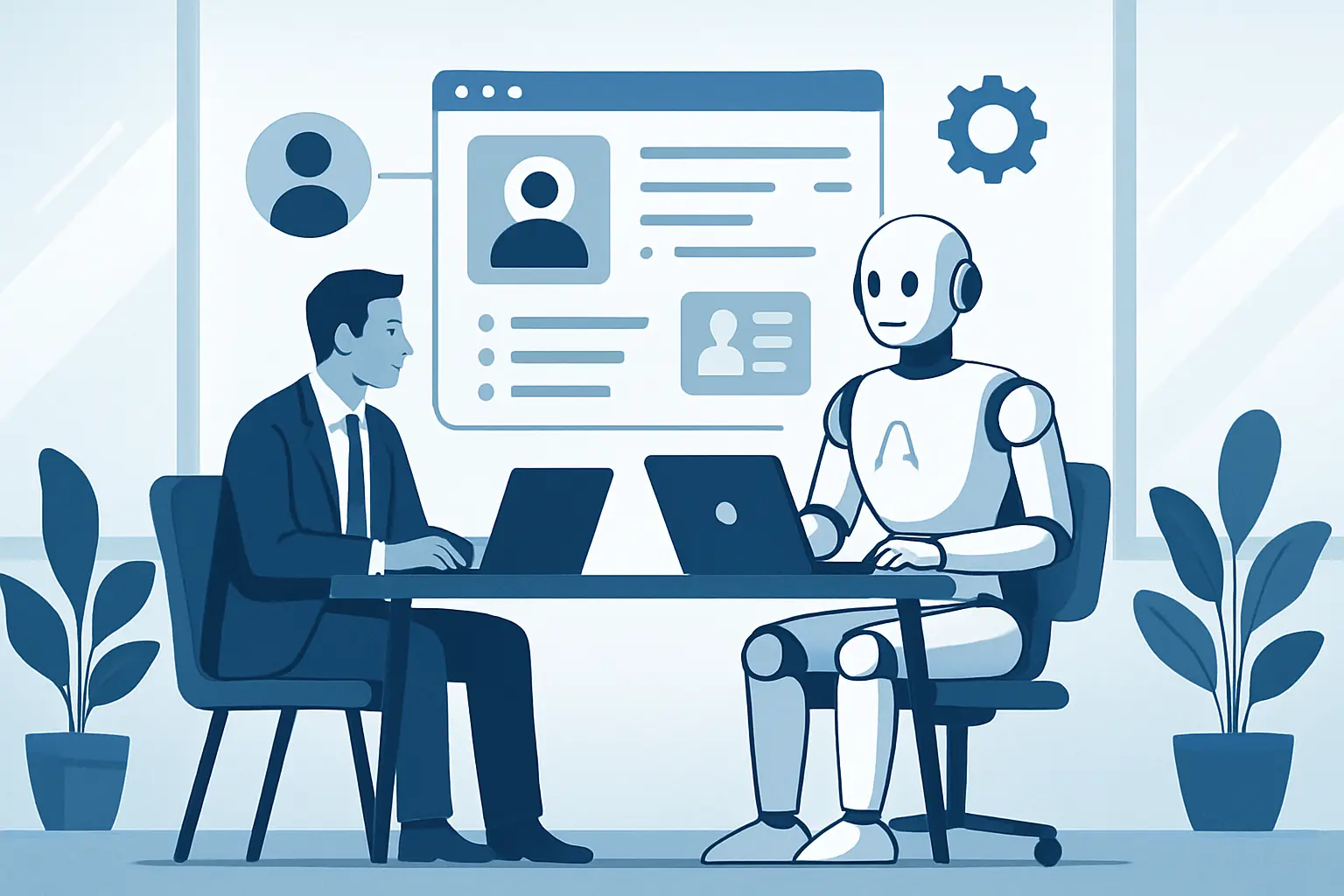
AI employees for staffing agencies improve operational efficiency by handling repetitive tasks, freeing up human agents for high-value interactions and decision-making.
AI employees act as digital assistants, executing tasks that traditionally consume human resources. For instance, in candidate outreach, voice AI agents make initial contact, schedule interviews, and gather preliminary data. This automation cuts down on manual busywork, allowing human agents to focus on building relationships and closing deals. According to our data, a voice AI agent placed 1,465 calls in a 26-day campaign, achieving a cost of $1.72 per booked meeting, far below the industry average of $400-600.
Beyond outreach, AI employees also process data swiftly and accurately. They integrate with existing systems, reducing reliance on fragmented tools like spreadsheets and chat apps. This unified approach simplifies operations, minimizing the need for constant human intervention. By automating these processes, staffing agencies can cut steps from their workflows, resulting in faster decision-making and improved service delivery.
The implementation of AI is often perceived as complex. However, our built-in agent architectures simplify the deployment process, enabling staffing agencies to see immediate returns on investment. This approach not only reduces operational costs but also sharpens the agency's competitive edge in a rapidly changing market.
Automation: AI handles repetitive tasks, freeing human agents for strategic roles.
Cost Efficiency: AI reduces the cost per booked meeting from $400-600 to $1.72.
Data Processing: AI integrates systems, cutting reliance on fragmented tools.
When Should Staffing Agencies Deploy AI Employees?
Staffing agencies should deploy AI employees when repetitive tasks slow down operations and human agents need to focus on high-value interactions like closing deals.
AI employees are best deployed in scenarios where manual busywork dominates. For instance, candidate screening and follow-ups can consume valuable time that human agents could better spend on strategic activities. In a recent campaign, our voice AI agent efficiently placed 1,465 calls for a staffing client, achieving a cost of $1.72 per booked meeting, significantly below the industry average of $400-600. This illustrates how AI can reduce costs and improve efficiency.
Another key scenario for deploying AI employees is when agencies rely on fragmented tools like spreadsheets and chat apps. Instead of juggling disconnected systems, agencies can use a unified agentic system that simplifies operations and minimizes busywork. This approach not only saves time but also lets human agents concentrate on nurturing client relationships and closing deals.
Many staffing agencies fear AI will replace jobs. However, AI employees are designed to handle repetitive tasks, allowing human agents to focus on more complex interactions. This division of labor ensures that agencies operate more effectively without job displacement concerns.
Candidate screening: AI employees can quickly filter resumes, saving hours of manual review.
Follow-ups: Automate candidate follow-ups, ensuring no opportunity slips through the cracks.
Data entry: Reduce errors by automating data entry tasks, freeing up human agents for strategic work.
Key Benefits of AI Employees for Staffing Solutions
AI employees for staffing agencies improve operational efficiency, cut costs, and boost candidate engagement. They handle repetitive tasks, freeing human agents for high-value work.
AI employees bring significant advantages to staffing solutions by automating routine tasks and reducing operational costs. For instance, in a 26-day campaign, our voice AI agent placed 1,465 calls for a staffing client, achieving a cost of $1.72 per booked meeting. This is dramatically lower than the industry average of $400-600 per meeting, showcasing the cost-effectiveness of AI deployment.
Beyond cost savings, AI employees speed up deployment processes. Our built-in agent architectures simplify AI implementation, allowing staffing agencies to see immediate returns on investment. This quick deployment means agencies can start reaping the benefits of AI without extensive setup times.
AI employees also improve candidate engagement by handling the initial outreach and follow-up, letting human agents focus on closing deals. This division of labor ensures that human resources are used where they are most effective, enhancing overall agency productivity.
Cost reduction: AI employees lower meeting costs from $400-600 to $1.72 per meeting.
Deployment speed: Built-in architectures enable fast AI setup and immediate ROI.
Candidate engagement: AI handles outreach, freeing humans for high-value tasks.
Common Questions About AI Employees for Staffing Agencies
How can AI employees improve staffing operations?
AI employees automate repetitive tasks, freeing human agents to focus on candidate engagement and closing deals. This improves overall efficiency.
Will AI employees replace human jobs in staffing agencies?
No, AI employees handle routine tasks, allowing human agents to concentrate on high-value interactions and strategic decision-making.
Is AI implementation too complex for small staffing agencies?
Our built-in agent architectures simplify the process, enabling fast deployment and immediate ROI without technical hurdles.
What cost benefits do AI employees offer?
In a 26-day campaign, our voice AI agent booked meetings at $1.72 each, far below the $400-600 industry average.